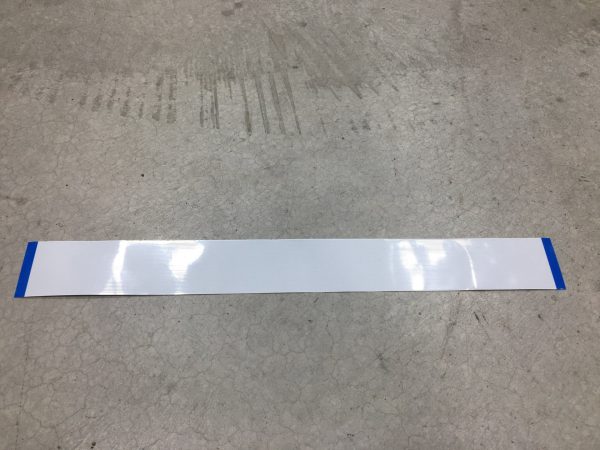
E00110-00
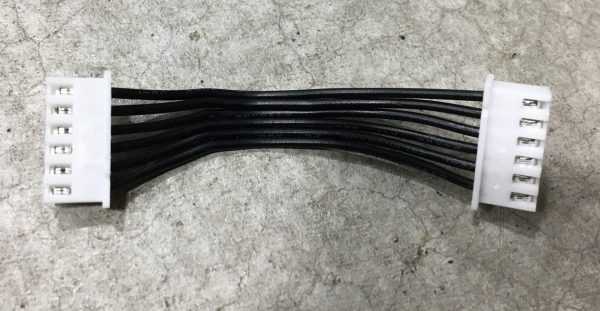
6 Pin XH Cable - 50mm length
$1.99
Add
SKU E00106-00
In stock
One PT1000 temperature sensor, Blue Alpine part E00106-00: a platinum RTD on a thin black lead, 1000 ohms at 0 °C. A healthy one reads about 1078 ohms at 20 °C, so you can test your old sensor before ordering.
This PT1000 temperature sensor is a platinum RTD on a thin black lead with a sensing tip, sold as Blue Alpine part E00106-00 for $7.80. Before you buy one, test the old sensor. A basic multimeter is all it takes, and the numbers to expect from a working PT1000 temperature sensor are listed below.
RTD stands for resistance temperature detector. Inside the tip is a small platinum element whose electrical resistance rises as it warms. “PT” is platinum, and “1000” is its resistance in ohms at 0 °C (32 °F). From there it climbs about 3.85 ohms per degree Celsius. Platinum’s curve is steady and well documented, which is why it’s the usual choice. The resistance thermometer article on Wikipedia covers the standard curves.
A thermocouple works differently. It generates a tiny voltage where two different metals meet, and on a resistance setting it reads only a few ohms. A PT1000 reads around a thousand. Keep that in mind when you order a PT1000 temperature sensor, so you don’t end up with the wrong type.
Unplug the dryer at the wall. Photograph where the sensor connects, then disconnect its lead. Set the meter to resistance (Ω), on the 2k or 20k range if it isn’t auto-ranging, and put the probes across the sensor’s leads at the connector. Polarity doesn’t matter here. An RTD is just a resistor that changes with temperature.
Two habits make the reading more trustworthy. Touch the meter probes together first and note what the display shows; most test leads read a fraction of an ohm, which you can subtract. And hold the probes by their insulated grips, not the metal tips. Your skin forms a second path for current and can pull the number down a little.
At room temperature, a healthy PT1000 sensor reads roughly:
Expect your reading to run slightly high. The lead wires add a little resistance of their own, and cheap meters aren’t perfect either. Next, pinch the tip between your fingers. The number should creep upward as it warms. That tells you the element is responding, not stuck at one value.
When the old sensor comes out, ease it free by the tip, not by pulling on the lead. Route the new lead the way the old one ran, using your photos, and secure it the same way. If the old sensor was held with a clip or a tie, use the same kind again. Keep the lead off sharp edges. Don’t kink it right behind the tip, either, since the point where a stiff tip meets a flexible lead is a common place for wires to break. Make sure the connector is fully seated before you close up.
No. A common NTC thermistor’s resistance falls as it warms, while a PT1000 RTD’s rises. They read very differently and aren’t interchangeable.
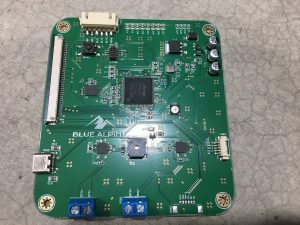
Other parts listed near the PT1000 temperature sensor:

If your old PT1000 temperature sensor read close to the numbers above and responded to warmth, a new one probably won’t fix anything. At $7.80 it’s a cheap guess, but still a guess. Check the connector and the wiring the sensor plugs into, then get in touch. Tell us the resistance you measured, the room temperature at the time, and what the dryer is doing. That gives us something concrete to work from. Call +1 (443) 514-5708 or use our contact page. More sensors and switches are in electronics replacement parts.